Category

Blog

CEO Letter to Shareholders: Reports Strong Revenue Growth for Full Year 2025

By Press Release, Blog

KFAR SABA, Israel, March 27, 2026 (GLOBE NEWSWIRE) — ParaZero Technologies Ltd. (Nasdaq: PRZO) (the “company” or “ParaZero”), an aerospace defense company pioneering smart, autonomous solutions for the global manned and unmanned aerial systems (UAS) industry, today issued a Letter to Shareholders from Ariel Aron, Chief Executive Officer.

Dear Shareholders and Partners,

2025 will be remembered as a transformative year and a significant strategic turning point for ParaZero. I am writing to you today as we stand at the threshold of a new era. ParaZero has successfully completed a fundamental transformation, evolving from a pioneer in drone safety components into a leader in multi-layered autonomous Counter-Unmanned Aerial Systems (C-UAS) solutions. We believe that we are now firmly positioned as a Tier 1 Defense Provider in the global security arena.

Financial Performance and Momentum

While 2025 was a year of profound structural transition, our financial performance demonstrated exceptional resilience. We concluded 2025 with a 12% year-over-year increase in revenue. This growth, achieved during a major pivot, underscores the robust demand for our technology and our management’s ability to execute complex shifts without sacrificing performance.

However, we believe that the most compelling indicator of our momentum is the strong start to 2026. Total customer orders received from January 1, 2026 to this date—consisting of executed purchase orders and contracts—amounted to $1,278 thousand, representing a 22% increase compared to our total 2025 revenue of $1,046 thousand. These orders reflect contracted demand and are expected to convert into revenue over future periods.

As a result, ParaZero has officially transitioned from a technology development firm into a high-execution, battle-ready defense sales firm. We believe that three purchase orders received from Israeli defense entities in 2026 for our DefendAir C-UAS solution reinforces trust and operational reliance on ParaZero’s technology and solutions.

The Shift to Tier 1: Systemic Integration and Operational Validation

We believe that our move to Tier 1 status fundamentally transforms the company. We have transitioned from supplying individual components to providing complete, end-to-end autonomous defense systems. This allows us the ability to compete for significant and strategic contracts with national governments (B2G) and the world’s largest defense corporations (B2B).

Crucially, our systems are now operationally proven, which in the defense sector, is the ultimate seal of quality. We believe that this eliminates traditional entry barriers, dramatically shortens sales cycles with military agencies, and potentially positions ParaZero as a preferred provider over competitors offering theoretical or unverified solutions.

Our Technological Moat: Beyond “Soft Kill”

As hostile drone threats evolve, traditional “Soft Kill” solutions (RF jamming or cyber-takeovers) are becoming increasingly obsolete against autonomous “dark drones” that fly without GPS or radio signals. We believe that ParaZero’s patented technology offers a decisive advantage:

  • RF & Cyber Independence: Our systems are physically autonomous, meaning they neutralize threats regardless of frequency jamming or signal loss.
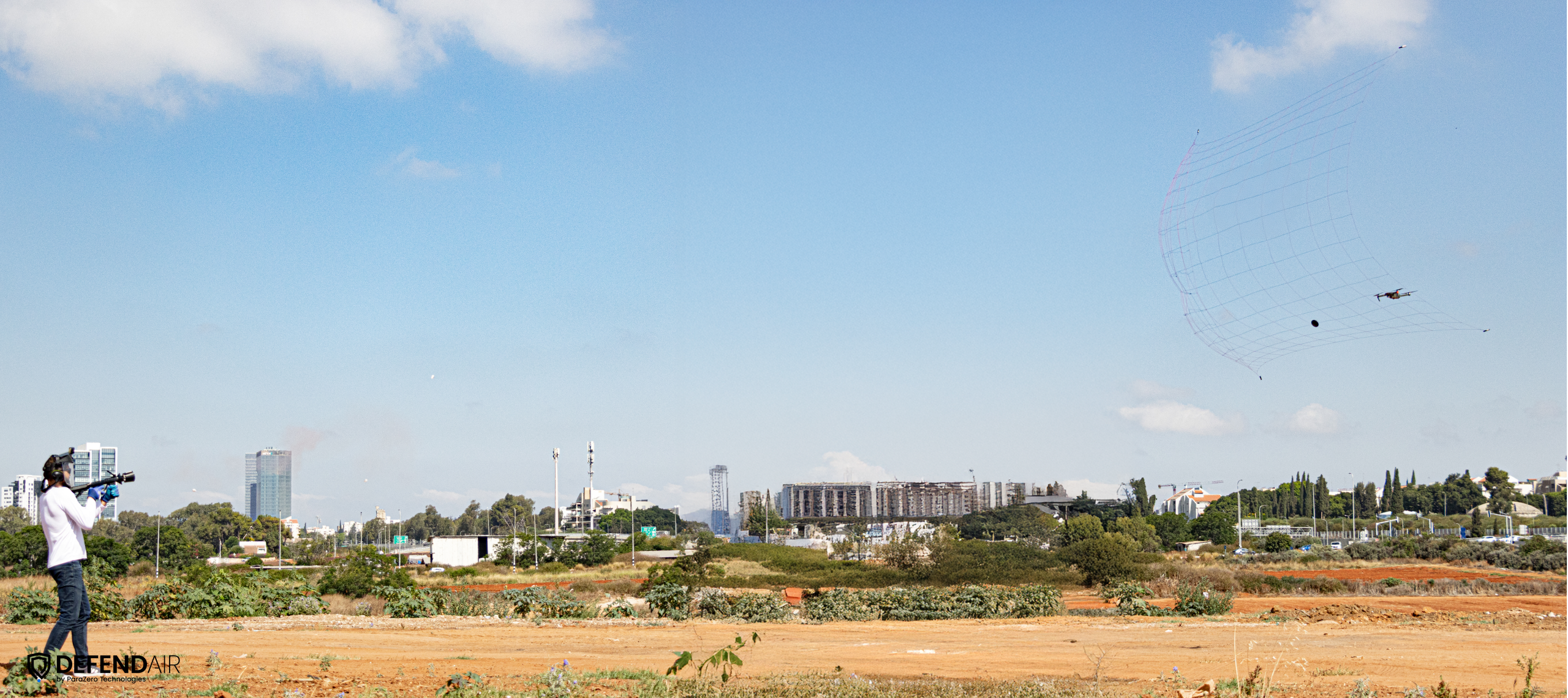
  • Non-Explosive Kinetic Interception: Utilizing our patented Net Interception technology, we offer a safe, non-explosive solution. Unlike “Hard Kill” explosive systems, our technology is uniquely suited for dense urban environments and sensitive strategic facilities, neutralizing threats with surgical precision and zero collateral damage.

Multi-Layered Defense Architecture

  • Tactical & VIP Protection: Immediate protection for ground forces and high-profile individuals through the rapid usage of our unique launcher system for mobile neutralization.
  • Strategic Point Defense: A fully autonomous, holistic system for the protection of strategic facilities, which is expected to be ready for full demonstration by the end of H1 2026. This pioneering solution provides comprehensive protection at highly effective ranges.
  • Active Aerial Interception (Interceptor Drones): We have established strategic partnerships with some of the largest defense and interceptor drone manufacturers, integrating ParaZero’s patented net technology into their platforms for high-altitude mid-air neutralization.

Global Market Expansion and Pipeline

Our participation in the Milipol and EnforceTech exhibitions exposed us to over 155 high-quality decision-maker leads. Furthermore, we believe that our active demonstrations for SIBAT (Israel’s Ministry of Defense), 40 senior NATO officers, and the Indian defense market have solidified our global reputation.

  • Western Europe: A strong footprint in France.
  • Eastern Europe: Dedicated operations in nations adjacent to the Russia-Ukraine conflict to address urgent regional security requirements.

ParaZero of 2026 is a company with operationally proven assets, a patented technological moat, and a growing market. We are determined to continue leading the Counter-UAS revolution and delivering exceptional value to our shareholders.

Sincerely,

Ariel Alon, CEO

ParaZero Technologies

About ParaZero Technologies

ParaZero Technologies Ltd. (Nasdaq: PRZO) is an aerospace defense company pioneering smart, autonomous solutions for the global manned and unmanned aerial systems (UAS) industry. Founded in 2014 by aviation professionals and drone industry veterans, ParaZero is a recognized leader in advanced drone technologies, supporting commercial, industrial, and governmental operations worldwide. The company’s product portfolio includes SafeAir, an autonomous parachute recovery system designed for aerial safety and regulatory compliance; DefendAir, a counter-UAS net-launching platform for protection against hostile drones in both battlefield and urban environments; and DropAir, a precision aerial delivery system. ParaZero’s mission is to redefine the boundaries of aerial operations with intelligent, mission-ready systems that enhance safety, scalability, and security. For more information, visit https://parazero.com.

Forward-Looking Statements 

This press release contains “forward-looking statements” within the meaning of the Private Securities Litigation Reform Act and other securities laws. Forward-looking statements contained in this press release include, but are not limited to, statements regarding ParaZero’s strategic and business plans, technology, relationships, objectives and expectations for its business, growth, the impact of trends on and interest in its business, intellectual property, products and its future results, operations and financial performance and condition and may be identified by the use of words such as “may,” “seek,” “will,” “consider,” “likely,” “assume,” “estimate,” “expect,” “anticipate,” “intend,” “believe,” “do not believe,” “aim,” “predict,” “plan,” “project,” “continue,” “potential,” “guidance,” “objective,” “outlook,” “trends,” “future,” “could,” “would,” “should,” “target,” “on track” or their negatives or variations, and similar terminology and words of similar import, generally involve future or forward-looking statements. The Company  is using forward-looking statements in this press release when it discusses how the total customer orders received from January 1, 2026 to date reflect contracted demand and are expected to convert into revenue over future periods. In addition references to customer orders are forward-looking and subject to uncertainty, as such orders may be modified, delayed, or cancelled and may not result in revenue within the expected timeframe or at all.. Forward-looking statements are not historical facts, and are based upon management’s current expectations, beliefs and projections, many of which, by their nature, are inherently uncertain. Such expectations, beliefs and projections are expressed in good faith. However, there can be no assurance that management’s expectations, beliefs and projections will be achieved, and actual results may differ materially from what is expressed in or indicated by the forward-looking statements. Forward-looking statements are subject to risks and uncertainties that could cause actual performance or results to differ materially from those expressed in the forward-looking statements. For a more detailed description of the risks and uncertainties affecting the Company, reference is made to the Company’s reports filed from time to time with the Securities and Exchange Commission (“SEC”), including, but not limited to, the risks detailed in the Company’s Annual Report on Form 20-F filed with the SEC on March 26, 2026. Forward-looking statements speak only as of the date the statements are made. The Company assumes no obligation to update forward-looking statements to reflect actual results, subsequent events or circumstances, changes in assumptions or changes in other factors affecting forward-looking information except to the extent required by applicable securities laws. If the Company does update one or more forward-looking statements, no inference should be drawn that the Company will make additional updates with respect thereto or with respect to other forward-looking statements. References and links to websites have been provided as a convenience, and the information contained on such websites is not incorporated by reference into this press release. ParaZero is not responsible for the content of third-party websites.

Investor Relations Contact:

Michal Efraty
Investor Relations
michal@efraty.com

A world of Drone Innovation In an Era of Turbulent Times – Statement by Ariel Alon CEO of ParaZero

By Press Release, Blog

A world of Drone Innovation In an Era of Turbulent Times

Statement by Ariel Alon CEO of ParaZero

Since its inception in 2014, ParaZero has stood at the forefront of Drone Innovation and enabling technology. Following a near-death-experience of ParaZero’s founder while they were operating the old DJI S800 and S900 drones, the first parachute recovery system in world was created and the first SafeAirTM was born with the vision of enabling safe and legal drone operation everywhere.

ParaZero’s devoted team worked vigorously to manifest that vision, countless engineering hours and writing the guidelines of the new drone regulation with world leading regulators. The work done by ParaZero enabled the first legal OOP (operation over people) flight in the United States and provided OOP waivers to countless organizations such as major media corporation, commercial operators and law enforcement agencies who, unknowingly, started the first DFR (Drone First Responders) programs.

The patent technology running the SafeAirTM is not limited to only after-market drones but also allowed numerous drone manufactures around the world to develop cutting-edge platforms that will expand their capabilities and serve more and more sectors, the SafeAirTM technology also ignited the dream of Urban Air Mobility and brought the world one step away from fulfilling the Air Taxi dream.

Following global transformations and the world’s rapid entry into the drone era, the demand for advanced drone technology in all sectors increased dramatically, to comply with the rising tides of drone applications, ParaZero utilized its patent technology and expertise to create life-saving products; the DefendAir – a new and inclusive approach towards counter-UAS, filling the gap in the last layer defense in a multi-layered doctrine and the DropAir – a precision air drop system to enable, quick, accurate and ready for action system providing critical supply in challenged terrains.

After deploying over 10,000 operational SafeAirTM units in five continents and in order to meet the increasing and evolving demand of the drone industry, effective immediately, ParaZero will recruit and harness its available resources including manpower and manufacturing capabilities to focus on providing advanced solutions to support both commercial and Defense (including HLS) sectors.

ParaZero will exploit its long-time expertise to offer a variety of additional solutions, to create advanced CUAS solutions, precision air drop systems for delivering smart and certified safety systems both for drone manufacturers (OEMs) and for dealing with drone threats

It should be made clear, ParaZero remains committed to its thousands of valuable customers around the world in these turbulent times and will continue to provide excellent customer support and technical assistance.

Over a decade ago, ParaZero set course to excellence in innovation, and set the standard for parachute recovery systems on the way of enabling a SafeAir drone operations worldwide, the vision has not changed – it just got BigAIR.


Ariel Alon

Chief Executive Officer
ParaZero Technologies Ltd.

ParaZero’s New Chapter: CEO Ariel Alon Q&A About Growth, Counter-UAS, and Precision Airdrop”

By Blog

ParaZero’s New Chapter

CEO Ariel Alon Q&A About Growth, Counter-UAS, and Precision Airdrop


As the drone industry continues to evolve at an unprecedented pace, safety, security, and innovation remain at the forefront of enabling wider adoption. ParaZero Technologies, long recognized as a pioneer in drone parachute recovery systems, is now entering a bold new chapter. Under the leadership of recently appointed CEO Ariel Alon, the company is expanding its focus beyond its flagship SafeAir systems to introduce advanced counter-drone solutions with DefendAir and precision airdrop technology with DropAir. In this Q&A, Ariel shares insights into ParaZero’s strategic shift, the opportunities driving this transformation, and the company’s vision for keeping the skies safer while enabling the next era of unmanned aerial operations.


You started your role as the new CEO of ParaZero a couple of months ago. Perhaps share a bit about yourself?

I am Ariel Alon, recently appointed CEO of ParaZero Technologies. Throughout my career, I have focused on project and business process management primarily in the IT and cyber fields. In recent years, I have focused mainly on the Unmanned Aerial Systems (UAS) industry across Israel, the US, EMEA, and APAC. I have held senior positions at Aerodrome Group, VoyagerLabs, Atos Israel, as well as Elbit Systems and Rafael Advanced Defense Systems; I also have a Bachelor of Business Administration and an MBA in Finance and Marketing from the Ruppin Academic Center.

It sounds like you bring years of experience with you. What drew you to join ParaZero?

I was drawn to ParaZero because of its advanced, field-proven technology and its rich history as one of the pioneers in the drone industry. For over a decade, the company has been at the forefront of developing innovative parachute systems that have enabled drone operators around the world to fly more safely, protect people and property, and gain regulatory approvals that would otherwise be out of reach. From supporting commercial drone deliveries to safeguarding complex aerial missions in densely populated areas, ParaZero’s solutions have had a tangible impact on how drones are integrated into everyday operations and it’s the kind of opportunity any industry professional would be eager to be part of.

The company is undergoing an incredible process of developing new products and entering new markets, which gives me the opportunity to help lead these processes and the company, continuing its position as a leader in its field.

Just as important, I have great confidence in the exceptional team here, professionals whose deep expertise, creativity, and commitment are the driving force behind our continued success, so the opportunity to lead such a team is one I could not have missed.

You recently made a big announcement. What led you to shift ParaZero’s focus from a parachute rescue system for the DJI aftermarket, and what internal or market factors most influenced this shift toward solutions like DefendAir and DropAir?

The drone industry has evolved at an incredible pace, and with that evolution comes the need to be agile and adaptable. When ParaZero first started, the focus was on parachute rescue systems (SafeAir) for drone OEMs and aftermarket users, as it addressed a critical gap in enabling safe and legal drone operations. This work helped shape regulations, enabled the first legal flights over people in the U.S., and supported tens of thousands of operators worldwide.

We recognized that the market was evolving with drones that were more capable, more accessible, and more deeply integrated into commercial operations, requiring attention to public safety and protection than ever before. This transformation also brought new challenges—particularly the need to address airborne threats and support advanced missions in complex environments. In light of this, we decided that the company would continue to support drone OEMs with defense systems and parachute rescue systems while also shifting our focus toward CUAS solutions like DefendAir, as well as precision airdrop systems (DropAir), which allows us to leverage our proven and patented technology expertise to meet these evolving needs.

Our mission has not changed: We are here to keep the skies safer(AIR) and enable the drone industry to grow.  This change expands how we can fulfill this mission – whether it’s protecting people on the ground (SafeAir), securing sensitive airspace (DefendAir), or enabling life-saving aerial operations (DropAir).

As you transition to DefendAir, DropAir, and your legacy SafeAir for drone manufacturers, how is ParaZero prioritizing development, and what new capabilities or market segments are you targeting first?

Our commitment to our customers remains at the core of everything we do. For SafeAir, we will continue to fully support our existing customers worldwide and work closely with drone manufacturers who integrate our proven safety systems into their platforms.

We will continue to support our after-market customers for the next 12 months until September 1, 2026.

This foundation of trust and performance is something we will never compromise on.

At the same time, we have accelerated the development of DefendAir and DropAir to offer a product portfolio for drone manufacturers in addition to SafeAir and to meet the pressing needs of additional sectors such as defense, homeland security, and commercial sectors. With DefendAir, we bring a completely new concept of multi-layered drone defense to protect critical infrastructure and sensitive operations without the risk of operating in urban environments. With DropAir, we enable fast, accurate, and reliable air delivery in challenging environments – whether for security logistics, emergency response, humanitarian aid, or other critical applications.

By prioritizing both our leading SafeAir and the evolving DefendAir and DropAir solutions, we ensure that ParaZero will continue to deliver safety, innovation and operational value across the entire spectrum of drone applications.

What aspects of your legacy parachute and airdrop technologies are being leveraged in the new generation of CUAS solutions, especially in terms of rapid deployment, and reliability?

Our new solutions are built on the same patented rapid-deployment technology that has been the hallmark of our SafeAir systems from the very beginning. Over the years, we’ve refined this technology to respond in fractions of a second, ensuring that when deployment is needed, it happens instantly and precisely.

Reliability is equally important. With more than 10,000 operational units deployed worldwide including systems integrated into manned aircraft, our technology has been tested in real-world conditions across five continents. That operational track record gives our customers the confidence that our solutions will perform when it matters most.

And, of course, this didn’t happen overnight. Years of engineering, testing, and close collaboration with industry partners have driven us to a standard of excellence. The same depth of experience and commitment to precision that built SafeAir is now powering our new generation of solutions, the DefendAir and DropAir.

ParaZero recently secured Israel Ministry of Defense approval for marketing DropAir globally after a successful integration with yet another UAS manufacturer and similarly secured IMOD approval for DefendAir earlier. How are these credentials shaping your C-UAS go-to-market strategy and repositioning? under the rebrand?

Securing IMOD approval for DropAir for DefendAir are both significant milestones for us. These credentials are not only a validation of our technology’s performance and a stamp of quality, but they also open the door for broader global engagement, particularly with defense, homeland security, and strategic commercial partners.

From a go-to-market perspective, these approvals accelerate our ability to enter new markets, form alliances, and respond quickly to urgent operational needs across the world.

These achievements reinforce ParaZero’s position as a trusted provider of advanced C-UAS and aerial solutions. They signal to the market that while our mission of making the skies safer remains unchanged, our capabilities now span a wider spectrum from enabling safe flight in urban areas to supplying precision airdrop systems.   and to actively protect and support critical missions worldwide.

Can you share how the upcoming rebranding will reflect your new product focus and intended market positioning?

Our rebrand reflects a strategic evolution- positioning ParaZero as the umbrella for a family of specialized brands, each addressing a critical segment of the drone ecosystem. SafeAir, DefendAir, and DropAir are distinct in their functions but unified under a single vision: delivering a world of drone innovation.

This shift moves us beyond the role of a component or add-on supplier to that of a comprehensive provider of aerial solutions. We are aligning our brand architecture with the reality of the market -where safety, operational capability, and airspace security must be addressed together, not in isolation.

By clearly defining and presenting our portfolio under one cohesive identity, we strengthen our ability to serve multiple markets- defense, homeland security and commercial – while ensuring that every solution we deliver contributes to a safer, more capable, and more integrated drone-enabled world.

Drone Delivery Under Fire: ParaZero Integrates with Elbit Systems to Deliver Blood Transfusions to Forces Across the battlefield

By Blog
Originally Published on Ynet

Elbit’s Tzur drone, equipped with ParaZero’s DropAir System, begins a pilot program in Gaza. The drone can deliver 5-6 transfusions in minutes, cutting the critical time needed to save lives.

Two Israeli Companies Join Forces to Save Lives on the Battlefield

The Israeli Ministry of Defense is in the final stages of developing drones designed to deliver blood for emergency transfusions by IDF medics in the field. A pilot program is set to launch with a brigade operating in Gaza during the ceasefire and will remain in use if hostilities resume.

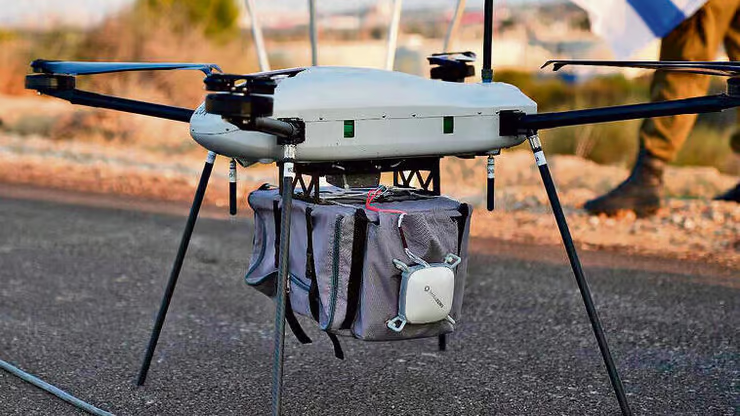
The Ministry’s Directorate of Defense, Research & Development selected Elbit Systems’ Tzur drone for this mission due to its extensive operational experience. The drone has accumulated thousands of flight hours and has proven highly effective in battlefield intelligence and reconnaissance missions. The Tzur can carry various payloads, including blood transfusions, with a capacity of 6-7 kilograms (13-15 lbs.), sufficient for 5-6 transfusions.


The Tzur drone curring ParaZero’s DropAir System (Photo: IDF’s Spokesperson Unit)


Safe and Accurate Airdrop Technology

The Tzur carries specially designed packages equipped with ParaZero’s parachute system and unique precision airdrop mechanism. A Defense Ministry official explained, “Going forward, we will be able to deliver other materials. The landing method softens the impact to protect the blood, reduces acceleration during descent, and enhances precision.”

Originally developed for emergency wartime needs, this technology has the potential for broader applications. It could be deployed in dangerous or inaccessible areas where ground transportation poses risks. Additionally, the drone is capable of autonomously determining the optimal flight path to ensure the fastest and safest delivery.


Source: Israel Defense Forces, Israeli MOD

A Solution to Battlefield Blood Loss

Excessive blood loss is the leading cause of death among wounded soldiers. The IDF has been a pioneer in introducing field transfusions, even before the current war, achieving record-breaking survival rates. Only 7% of wounded soldiers succumb to their injuries, compared to significantly higher fatality rates in past conflicts and among other Western militaries.

The Tzur drone, developed by Elbit Systems, is designed to deliver blood within minutes using advanced technology that factors in wind conditions and other environmental variables to ensure precise and safe delivery.


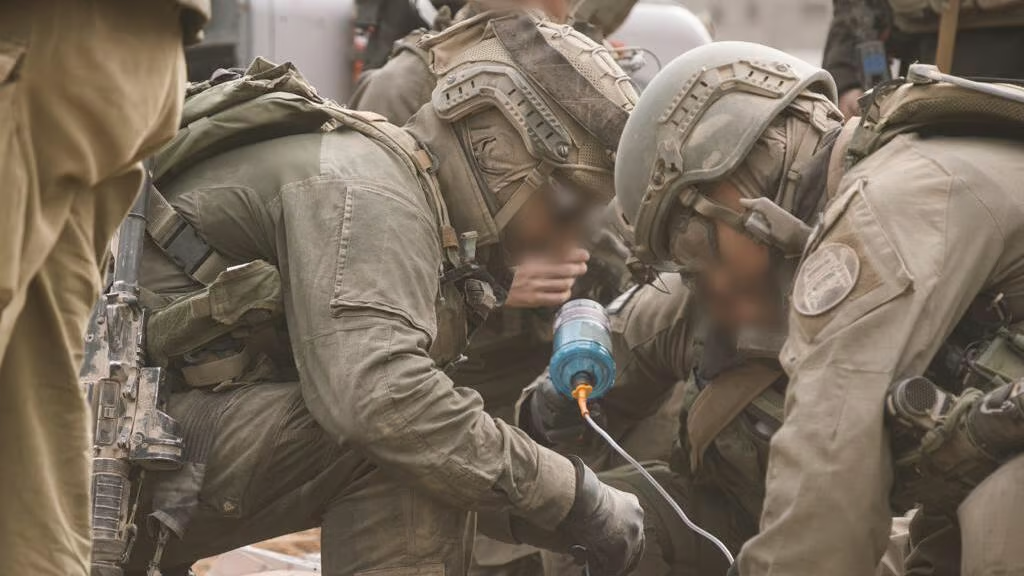
Air Force medivac unit with wounded troops in Gaza (Photo: IDF’s Spokesperson Unit)

ParaZero’s DropAir: Precision Airdrop for Contested Environments

By Blog

ParaZero’s DropAir: Precision Airdrop for Contested Environments

Originally published on Autonomy Global by Dawn Zoldi

As rapid response and operational flexibility become increasingly paramount for a wide range of professions—public safety, defense, humanitarian—ParaZero Technologies has emerged as a leader in aerial safety and logistics. Known for delivering solutions that bridge the gap between innovation and safety needs, one of the company’s latest offerings, the DropAir Precision Airdrop System stands out for its ability to deliver critical supplies with pinpoint accuracy in some of the world’s most challenging environments. Developed in collaboration with the Israeli Ministry of Defense (MOD) and now entering global markets, DropAir will undoubtedly redefine how a wide range of organizations approach urgent aerial logistics, quite literally, under fire

The Genesis of DropAir: Battlefield Necessity Meets Technological Excellence

ParaZero conceived DropAir in response to a pressing operational challenge: how to supply ground forces with life-saving materials—such as blood for transfusions—behind enemy lines, where traditional logistics convoys are vulnerable and time is of the essence. The Israeli MOD, together with the Israeli Defense Forces (IDF) Medical Corps, initiated the project to find a solution that could ensure the safe, rapid, and undetected delivery of critical medical supplies to soldiers in active combat zones.

Leveraging its legacy of aviation safety and parachute technology, ParaZero developed a system that could seamlessly integrate with a variety of both commercial and military drone platforms. The result: DropAir, a modular, adaptable airdrop mechanism featuring a delayed, low-altitude parachute deployment to minimize drift and maximize landing precision. This innovation ensures that sensitive payloads, such as blood units, arrive intact and ready for immediate use. IDF doctors have validated the company’s claims through rigorous testing.

Elbit’s Thor Drone Carrying ParaZero’s DropAir System
IDF Spokesperson Unit
Easily integrated to Commercial or Military Platforms | DropAir x Heven H100
ParaZero Technologies x Heven

Yuval Gilad, ParaZero’s Chief Product Technology Officer explained the DropAir design concept. “We have taken our extensive experience with smart parachute technologies and applied it to a critical real-life scenario. With DropAir, we designed an architecture that provides the end user a scalable and effective solution, that utilizes simple concepts in a novel way to achieve best-in-class performance, with quick and simple integration. The DropAir can be easily adapted to various payload weights and sizes.”

How DropAir Works: Precision Meets Simplicity

DropAir combines a sophisticated release mechanism with ParaZero’s patented parachute technology. The system, designed for both autonomous and remote manual operations, allows for flexible mission profiles. When a payload—medical supplies, food, sensors, or ammunition—needs to be delivered, DropAir’s release unit deploys the parachute only when the package nears the ground. This late-opening strategy drastically reduces horizontal drift caused by wind or weather to ensure the cargo lands, across numerous flexible mission profiles and a range of scenarios. DropAir’s features include:

  • Low-Altitude Parachute Deployment: DropAir’s release unit deploys the parachute only when the payload nears the ground. This late-opening strategy drastically reduces horizontal drift caused by wind or weather, ensuring the cargo lands exactly where it’s needed—even near highways or populated areas where safety is critical.
  • Rapid Release Mechanism: The system enables quick drops, day or night, without the need for the drone to land, minimizing exposure and risk for both the drone and its operators.
  • Payload Versatility: DropAir can carry and parachute any weight, limited only by the drone’s carrying capacity. This flexibility extends its utility from medical supplies to ammunition, sensors, communications equipment, and more.
  • Weather Resilience: The parachute system, based on a small pilot chute, is configured according to flight characteristics to enable minimum drift even in extreme weather conditions.

Modular Design and Seamless Integration

DropAir’s modular design enables integration with a wide range of unmanned aerial systems (UAS), including popular commercial drones like the DJI M300-350, DJI FlyCart 30, Elbit’s Thor and Tzur drones, Heven Drones’ H100 and other undisclosed Israeli models. ParaZero’s engineering team has ensured that the system can be adapted to both commercial and military UAS for rapid deployment across different operational theaters. This broad compatibility allows defense forces, first responders, and humanitarian organizations to repurpose existing drone fleets for logistics or counter-UAS missions without costly overhauls.

The system’s seamless integration with both fixed-wing and rotary-wing platforms ensures it can support a variety of operational scenarios—from urban warfare to remote border patrols and disaster relief.

Operational Validation: Proven on the Front Lines 

DropAir’s operational effectiveness has been demonstrated in multiple pilot programs and real-world deployments. In collaboration with the Israeli Ministry of Defense, ParaZero completed Phase I trials, which confirmed the system’s ability to deliver sensitive payloads safely and accurately under combat conditions. The successful preservation of blood units during airdrop tests was a key outcome, leading to the launch of Phase II, which focuses on broader implementation and integration with additional drone models.

Defense Applications: Saving Lives Under Fire

DropAir’s operational effectiveness has been rigorously validated in both pilot programs and real-world deployments. DropAir’s first operational deployment was on the battlefield, where it demonstrated its value in delivering blood transfusions to wounded soldiers under fire. In a pilot program, Elbit’s Tzur drone, equipped with DropAir, delivered up to six transfusion units in a single mission, reaching medics within minutes and significantly improving survival rates for the wounded. The system’s soft-landing technology protected the integrity of the blood—a critical requirement for medical operations. Tests confirmed package content viability post-drop.

The military’s embrace of DropAir stems from its increasing requirements to operate autonomously and minimize the exposure of logistics personnel and assets to enemy action. Drones equipped with DropAir can fly pre-programmed routes, avoid hazardous areas, and deliver supplies without revealing the position of friendly forces. The system’s rapid deployment and swift exit capabilities allow for supply drops at any time—day or night—without the need for landing or manual intervention.

Beyond medical supplies, DropAir’s payload versatility makes it suitable for delivering ammunition, communications equipment, sensors, and other mission-critical materials. Its integration with both fixed-wing and rotary-wing platforms ensures it can support a variety of operational scenarios, from urban warfare to remote border patrols.

DropAir in Action
ParaZero Technologies Ltd.

Public Safety and Humanitarian Impact: Beyond the Battlefield

While DropAir’s roots are in defense, its potential for public safety and humanitarian missions is equally compelling. Natural disasters, such as hurricanes, earthquakes, and floods, often leave communities isolated and in urgent need of aid. Traditional ground-based delivery methods may be hampered by debris, damaged infrastructure, or ongoing hazards. DropAir addresses these challenges by enabling drones to deliver food, water, blankets, and medical supplies directly to affected populations, including areas otherwise unreachable.

Recent demonstrations in the United States to U.S. agencies and international observers highlighted DropAir’s relevance for emergency responders. Specifically, ParaZero showcased DropAir at the Constellis Security Conference in Virginia as a solution for delivering emergency supplies to disaster zones. Observers lauded the system’s ability to operate in all weather conditions and its minimal drift technology as game-changers for disaster relief logistics, where every minute counts.

Recent demonstrations in the United States to U.S. agencies and international observers highlighted DropAir’s relevance for emergency responders. Specifically, ParaZero showcased DropAir at the Constellis Security Conference in Virginia as a solution for delivering emergency supplies to disaster zones. Observers lauded the system’s ability to operate in all weather conditions and its minimal drift technology as game-changers for disaster relief logistics, where every minute counts.

In humanitarian contexts, DropAir’s precision and safety are crucial for delivering aid to conflict zones, refugee camps, or regions affected by disease outbreaks. The system’s autonomous capabilities reduce the risk to aid workers and ensure that supplies reach those in need without delay or diversion.

Global Reach and Future Impact

In April 2025, ParaZero and its partner Heven Drones received official marketing approval from the Israeli Ministry of Defense’s Defense Export Controls Agency (DECA) for DropAir, clearing the way for global sales and collaborations. This milestone not only validates DropAir’s compliance with stringent export regulations but also paves the way for expanded partnerships with defense, logistics, and emergency response organizations worldwide.

ParaZero CEO Boaz Shetzer remains excited about the impacts DropAir will have across multiple sectors. “We are humbled by the opportunity to apply years of experience in drone safety solutions to life saving applications in the battlefield, the adaptability and flexibility the DropAir provide is not just critical for successful missions but also widens the options of critical supply chains and logistics mission in a wide array of sectors,” he said. “ParaZero will continue to lead the industry with innovative solutions as the world widely steps into the era of drone applications.”

ParaZero’s ongoing partnerships with leading drone manufacturers and defense agencies ensure that DropAir will continue to evolve, with future enhancements focused on increasing payload capacity and advancing autonomous mission planning.

Strategic Vision: Shaping the Future of Aerial Logistics

ParaZero’s DropAir system exemplifies the convergence of innovation, operational necessity, and humanitarian impact. By enabling precise, safe, and rapid delivery of critical supplies in environments where traditional logistics falter, DropAir has set a new standard for aerial support in both defense and public safety.

As global security challenges intensify and the need for resilient, flexible logistics grows, solutions like DropAir will play an increasingly vital role. Whether supporting soldiers under fire, delivering aid to disaster zones, or enabling rapid response in public safety emergencies, DropAir’s adaptability, validated performance, and regulatory approval make it a cornerstone of modern aerial logistics.

ParaZero’s vision is clear: to remain at the forefront of aerial logistics and counter-UAS defense, ensuring that critical supplies reach those who need them—wherever and whenever they are needed most. The company’s commitment to safety, precision, and operational excellence positions DropAir as a strategic asset for militaries, first responders, and aid organizations worldwide.

The Last Mile Problem: Re-Thinking Modern Aerial Logistics 

By Blog

The Last Mile Problem: Re-Thinking Modern Aerial Logistics 

By Jacob Wirtzer
ParaZero Technologies Ltd.

In the critical minutes following a natural disaster, military engagement, or search-and-rescue operation, the difference between mission success and failure often comes down to one question: can you deliver the right payload to the exact location when it’s needed most?

From urban battlefields to disaster zones in complex terrains, finding logistical solutions that are adaptable, scalable, and mission-relevant remains a challenge.

In recent years, organizations across these environments have increasingly adopted drone technology into their operations. The public safety drone market alone is projected to exceed $2 billion by 2028, as drones develop from experimental devices to standard first-responder tools (Markets & Markets, 2023). Drone manufacturer DJI reported that as of 2023, rescuers using its platforms had saved more than 1,000 people (DJI, 2023). The rapid advancement of drones has given first responders, militaries and SAR operators an effective, cost-cutting advantage. Yet while UAS have proven invaluable for situational awareness and surveillance, their role in payload delivery remains constrained by limitations that have long defined traditional logistics models, most notably, reliance on large-scale transport and complicated supply chains. 

As global operational envelopes evolve, there is a growing need to re-think what aerial logistics should look like. Precision and modularity are no longer optional; they are prerequisites for mission success.

Legacy Systems and Operational Gaps

When a 7.0 magnitude earthquake struck Haiti in 2010, the global humanitarian response appeared coordinated and massive: hundreds of aircraft, thousands of emergency professionals, and millions of dollars in aid flooded in (Scielo, 2021).

The logistical response followed a “hub-and-spoke” framework model: large aircraft delivered aid to a central airport, trucks moved it to depots, and helicopters handled the final leg of delivery. While this model seemed efficient and tested, serious limitations soon appeared.

Although the system included multiple distribution points, they were almost always established near makeshift landing zones where helicopters could safely land and deliver aid. Only those able to reach these areas received supplies, leaving many isolated populations without help. Bureaucratic disputes and coordination failures compounded the issue, delaying distribution while supplies sat on runways (Scielo, 2021). Vince Beiser of Wired magazine stated it best, “The most persistent systemic problem with big international aid efforts … is that no one is in charge.”

A US Army UH-60 Black Hawk helicopter flies toward a supply distribution point in Jeremie, Haiti (US SOUTHCOM 2016 )
A crammed truck tries to navigate a road partially blocked by a landslide near Pestel, Haiti, after the 14 August earthquake. ( The New Humanitarian, September 2021)

The Haiti case highlights a disconnect between delivery capacity and last-mile logistics, where the people who need aid most are often left waiting while administrative processes and modular delivery methods restrict freedom of operation.

A similar issue appears in search and rescue missions. When a lone hiker was injured in northern Arizona, rescuers located him quickly, but darkness and weather considerations prevented immediate aerial extraction. To solve the problem, paramedics were hoisted in overnight, rendering the solution both risky and labor-intensive (FireRescue1, 2021). Although helicopters have high payload capacity, their operational costs, crew requirements, and airspace constraints can limit their overall effectiveness in last mile logistics.

With modern geolocation and SAR tools, it is not the “search” that proves difficult, but the “last mile”, where delivering critical aid effectively can be the difference between life and death.

The Evolving Battlefield

In military contexts, this gap becomes more pronounced. Modern battlefields create dynamic challenges that antiquated thinking cannot solve. John J. Pershing’s WWI motto still rings true today: “Infantry wins battles, logistics wins wars.”

Following Hamas’ attack on Israel in October 2023, the Israel Defense Forces prepared for a large-scale ground offensive. Gaza’s dense urban terrain demanded tailored logistics. One example was the way blood transfusions reached forward-operating units. Since blood must be kept refrigerated, armored vehicles store the reserve supply on the back lines until mobile trauma teams require it.

Over 10,000 soldiers have been injured throughout the conflict, with 14% classified as moderate to severe (Ynetnews, 2023). Coordinating casualties, trauma teams, and blood supplies wasted critical minutes, often determining severity of injury or even survival. Furthermore, unused blood had to be replaced every 48 hours, requiring logistic convoys to be sent to switch the blood, exposing soldiers to ambushes and mechanical issues. The IDF’s experience reflects a larger truth: as warfare becomes decentralized and asymmetric, so too must logistics. The future of combat resupply is not heavier. It is smarter, stealthier, and faster.

IAF Medivac unit with wounded troops in Gaza (Photo: IDF Spokesperson Unit)

Over 10,000 soldiers have been injured throughout the conflict, with 14% classified as moderate to severe (Ynetnews, 2023). Coordinating casualties, trauma teams, and blood supplies wasted critical minutes, often determining severity of injury or even survival. Furthermore, unused blood had to be replaced every 48 hours, requiring logistic convoys to be sent to switch the blood, exposing soldiers to ambushes and mechanical issues. The IDF’s experience reflects a larger truth: as warfare becomes decentralized and asymmetric, so too must logistics. The future of combat resupply is not heavier. It is smarter, stealthier, and faster.

Across humanitarian, SAR, and military domains, a pattern emerges: the greatest logistical failures occur not from lack of resources, but from inability to deliver them precisely when and where needed. Trucks, helicopters, and convoys are powerful yet inflexible. What is needed is not just a re-thinking of logistics doctrine but a retooling of the systems themselves. This growing realization sets the stage for next-generation aerial delivery systems.

The DropAir Solution

DropAir was engineered to solve the critical “last-mile” delivery problem. The smart, compact aerial delivery system was designed for cross-platform integration across commercial and military-grade UAS, allowing seamless incorporation into existing fleets. Developed by ParaZero, DropAir enables precise payload deliveries with safety, affordability, and adaptability in mind.

Whether providing ammunition and communications gear to patrol units under fire, delivering a medical kit to a stranded hiker, or supplying food and water after a natural disaster, DropAir transforms any capable drone into a logistics asset.

By utilizing ParaZero’s patented technologies, DropAir achieves accuracy from altitudes of hundreds of meters. The modular capsule supports small-medium payloads and can be configured for larger cargo, as long as the drone’s MTOW (max take-off weight) allows. Built intentionally as a single-use device, it keeps costs low and eliminates the extra logistical step of retrieval, a pain point often cited.

X2 DropAir Packages Mounted on HEVEN H100

The DropAir Solution

The blood delivery use-case directly informed DropAir’s development, and the IDF has already begun integrating the system into operations (YnetGlobal, 2025). During testing, IDF doctors were concerned that blood transfusions might be damaged by G-forces from parachute deployment and impact. Research later confirmed the blood remained unchanged on a microbiological level, validating it for immediate field use.

This test served as a key proof of concept, demonstrating that DropAir can safely deliver fragile payloads like blood as well as more robust cargo. During recent operational exercises, DropAir successfully executed 50 consecutive payload drops with pinpoint accuracy. The success of these trials underscores a larger shift in logistics philosophy, evolving from bulk movement to precision deployment.

Conclusion

As unmanned systems continue to advance, the ability to precisely and autonomously deliver mission-critical payloads will define the next generation of aerial logistics. Legacy platforms such as transport aircraft and convoys will retain importance, but logistics doctrine must now adapt to evolving operational demands.

DropAir stands as a tested, field-ready innovation, not just as a concept, but as a capability. With operational integration, validation, and scalable adaptability, DropAir is transforming how we think about emergency response, supply-chain agility, and battlefield logistics.

To match the pace of modern threats and challenges, delivery systems must be as agile as the teams they serve, as strategic as their mission planning, and as reliable as the personnel who depend on them. Precision is no longer a luxury—it is a necessity.

One Small Drone Over Baghdad, An Immediate Glimpse Into The State of Warfare

By Blog

One Small Drone Over Baghdad, An Immediate Glimpse Into The State of Warfare

By Jacob Wirtzer
ParaZero Technologies Ltd.

A short video recently circulated online showing a drone flying calmly over the United States Embassy compound in Baghdad. The footage, reportedly released by an Iranian backed militia group in Iraq, showed the drone maneuvering freely over one of the most heavily protected diplomatic facilities in the world.

The message behind the video was difficult to miss. Even highly secured locations are no longer immune to the realities of modern drone warfare.

The incident itself is not necessarily unique. Small drones have been used for surveillance and harassment in conflict zones for years. What makes this moment notable is what it represents for the future of urban security. The airspace above cities, diplomatic compounds, and critical infrastructure is becoming an increasingly contested environment (as mentioned in our previous article on the future of site security).

At the same time, the technology being used to challenge traditional defenses is evolving quickly.

Enemy drones cruising around U.S. assets, this time US Embassy compound in Baghdad
Optic Fiber Drone – Electronic Warfare Immune

One of the most concerning developments emerging from recent conflicts is the rise of fiber- optic-guided drones. Unlike conventional drones that rely on radio communication, these systems transmit control signals through a physical fiber-optic cable that trails behind the drone during flight. This allows operators to control the drone without emitting the radio signals that most counter-drone systems rely on detecting or disrupting. This gives pilots uninterrupted video feedback and peace of mind as they carve through contested areas (read more about this evolving threat). 

As a result, many anti-drone tools built around electronic warfare can struggle to address these threats. Jamming signals or attempting to interfere with communications becomes ineffective when the control link is physically connected to the drone itself.

The challenge becomes even more complex when these systems appear over dense urban environments. Embassies, government buildings, stadiums, and power plants are often located in crowded areas where traditional kinetic responses can introduce additional risk.

Intercepting a small drone with a missile or explosive countermeasure may stop the threat, but it can also create secondary hazards from fragmentation or debris falling into populated areas. Not to mention the risk of unsuccessful interceptions leading to missiles going astray over city limits. 

For this reason the conversation around non-explosive interception methods is becoming increasingly important.

Net-based interception systems offer a different approach. Instead of destroying the drone mid-air, the system captures it physically by deploying a net that entangles the propellers and airframe. The threat of deadly debris or dangerous ordinances over populated areas is greatly reduced. 

ParaZero developed the DefendAir system to address these types of operational challenges. The system uses a net interception method that can be deployed through several configurations including an intercepting drone, a stationary turret, and a handheld launcher used by security forces on the ground. The system is designed to operate safely in urban environments while minimizing the risk of explosive effects or fragmentation.

This approach also provides an advantage in environments where electronic countermeasures cannot be relied upon. Physical interception allows operators to respond to drones that do not transmit radio signals or that use fiber-optic guidance systems.

The broader takeaway from the Baghdad incident is not simply that drones are becoming more accessible. It highlights a deeper shift in how airspace is used during modern conflicts and security operations.

Urban environments are increasingly part of the operational landscape for unmanned systems. Small drones can appear quickly, approach from multiple directions, and operate at low altitude where traditional air defense systems are not designed to respond.

Addressing this challenge will require layered counter-drone strategies that combine detection, electronic tools, and physical interception.

As drones continue to evolve, the ability to intercept them safely without explosives may become one of the most important capabilities for protecting people and infrastructure in complex urban environments.

Drop Us A Line

The Modern Combat Medic: Tourniquets, IVs, and C-UAS

By Blog

The Modern Combat Medic: 

Tourniquets, IVs, and C-UAS

By Jacob Wirtzer
ParaZero Technologies Ltd.

Executive Summary 

  • The drone threat now extends to medical care
    At Northern Strike 2026, medics trained to protect a field hospital and move patients during simulated drone attacks.
  • Fixed defenses leave mobile teams exposed
    Netting and underground facilities can protect treatment sites, but medics also work wherever casualties fall.
  • Medical personnel need a way to respond locally
    When a drone appears during treatment or evacuation, dedicated air defense may not be close enough to help in time.
  • Portable C-UAS adds a final layer of protection
    A lightweight net launcher can give trained medical teams a non-explosive option against a close-range drone threat.
  • Equipment and training must advance together
    Preparing medics for drone-contested operations means practicing the response and giving them the tools to carry it out.
Drone Operators Hiding from Hostile Drones During Northern Strike exercise in Michigan
Image Source: Megan Hearst / U.S. Air Force, via DVIDS

The August 2026 Northern Strike exercise in Michigan captured something crucial about how modern warfare is reshaping medical operations. US Air Force and National Guard medics faced simulated drone attacks on a field hospital. In response, soldiers strung up anti-drone netting, used small-arms fire from their standard service rifles against the hostile aircraft, and eventually moved patients to an underground facility. It’s an adaptation born from learning how Ukrainian medical teams operate under constant aerial threats.

The headline from the exercise is clear:
American medics aren’t trained for this, and they need to be.

But there’s a deeper operational reality buried in that training scenario that deserves serious examination. Static netting around facilities is valuable. Underground hardened sites are necessary. Small-arms response is better than nothing. Yet all of these are defensive postures. They are ways to hunker down and hope the incoming threats miss. What’s missing from the current playbook is something more fundamental: individual counter-UAS capability that medics themselves can deploy.

The Gap Between Passive and Active Protection

Maj. Sarah Blackthorne, the Air Force medical planner running Northern Strike, emphasized the gap perfectly: “Drones are a very real threat, and our medical Airmen are not prepared through their typical medical training to handle these UAVs.” Consider what the Michigan training scenario actually revealed about medical operations under drone attack. Medics moved between facilities beneath anti-drone netting. They evacuated to underground facilities because surface operations had become untenable.

All of this is reactive. Necessary, yes. But inherently limited.

The experience in Ukraine shows why. Medical facilities there are increasingly hardened or pushed underground because they’re actively targeted. Ukrainian soldiers recount that tents or standard field hospitals get struck. Hardened sites survive, but they come with serious operational costs: limited power, constrained lighting, the shocks of nearby explosions, supply lines cut off by drone activity.

These aren’t acceptable trade-offs in perpetuity. They’re emergency measures.

Trying To Shoot Hostile Drone From the Sky With Standard Service Rifles During Northern Strike exercise in Michigan
Image Source: Jim Poel / U.S. Air Force, via DVIDS

The Missing Link: Portable Capability

What’s absent from both the Ukrainian experience and the US training evolution is something straightforward: medics equipped to fight back immediately and locally. Not as specialists or after waiting for dedicated air defense, but as part of their core force protection equipment. Just as they carry a first aid and trauma kit, they must now also have personal C-UAS protection. 

The US military has spent the last 20 years operating under fundamentally different conditions than what Ukraine confronts daily. During Iraq and Afghanistan, wounded troops were evacuated quickly from battlefields to large fortified bases with robust air defense. That entire medical system, from the training, the doctrine, and the equipment, was built around that assumption. Medical personnel were focused on treatment in a relatively secure environment.

Peer conflict changes everything. Medical teams can’t assume rapid evacuation. They can’t assume air superiority. They can’t assume dedicated air defense will be nearby when drones appear. They need to assume they’re on their own.

Hezbollah FPV Drones Striking Irone Dome Facilties 

The Medic with Agency

Here’s what needs to happen: every medic in a forward, drone-contested environment should carry a portable counter-UAS capability they can deploy without specialized training. Not a radar system or a drone of their own. Something immediately effective: a lightweight net launcher that someone with zero counter-UAS background can operate under stress.

Think about why this matters operationally. A medic treating a casualty in a forward position is balancing medical care and threat monitoring. That’s already cognitively demanding. If they hear or spot a drone approaching, they need to be able to respond without abandoning the patient, without calling for specialist air defense, without reaching for complex equipment. They need something as intuitive as using a tourniquet: pick it up, aim, deploy, return to patient care.

The netting strategy in Ukraine works at a macro level. It protects infrastructure and fixed positions. But medics operate in dispersed, mobile, unpredictable ways. They show up where casualties are, which often isn’t where the netting is. They move between positions, unable to wait for defensive infrastructure to be established before beginning operations.

They need portable protection. They need agency.

From Stress Inoculation to Real Capability

Northern Strike got one thing exactly right: exposing medics to drone threat scenarios before deployment. That stress inoculation is essential. But it can only be the first step. The follow-on is equipping them with realistic tools to respond.

The current adaptive strategy keeps medical teams alive. It’s better than the alternative. But it’s not sufficient for the kind of sustained, distributed medical operations that modern conflict requires.

Every soldier deserves protection against aerial threats. That includes the medics running toward incoming fire to extract wounded troops. The question is whether we’ll actually resource and equip for that reality, or whether we’ll accept that medics will continue operating at a tactical disadvantage that we know how to solve.

In 2026, with Ukraine showing us exactly what modern medical warfare looks like, accepting the latter would be a choice. And not a defensible one.

DefendAir Personal Anti-Drone Solution


DefendAir – Where the Threat Ends, Victory Begins.

Drop Us A Line

From Assumptions to Evidence:  Rebuilding Counter-Drone Doctrine on Battlefield Data

By Blog

From Assumptions to Evidence: 

Rebuilding Counter-Drone Doctrine on Battlefield Data

By Jacob Wirtzer
ParaZero Technologies Ltd.

Executive Summary 

  • The high-speed dive assumption is wrong
    FPV drone attacks often involve extended low-altitude maneuvering phases before impact, not just kamikaze-style dives
  • Survivorship bias distorts reality
    Viral combat footage shows only successful strikes, hiding the search-and-positioning phases that represent real defensive opportunities
  • Data-driven doctrine enables better defense
    Understanding actual attack profiles makes close-range defensive systems far more effective than strategies based on theoretical high-speed scenarios

On today’s battlefield, no weapon has captured as much attention as the first-person view (FPV) drone. Cheap, widely available, and devastatingly effective, these systems have fundamentally changed the way militaries think about force protection. But despite thousands of hours of combat footage circulating online, much of the conversation around FPV drones is still driven by theories rather than measurable data.

One of the most common assumptions is that FPV drones become nearly impossible to defeat during their final attack because they are traveling at extremely high speeds. The image is familiar: a drone appears suddenly, dives aggressively toward its target, and impacts before defenders have time to react.

It makes intuitive sense. The problem is that it doesn’t always reflect reality.

Recently, independent researcher Itamar Weiss published an extensive open-source analysis of Hezbollah FPV drone attacks in Lebanon, reconstructing flight paths, altitudes, and terminal attack profiles using publicly available combat footage. Rather than relying on isolated impact videos or anecdotal observations, the project analyzes how these attacks actually unfold from beginning to end.

The findings reveal a more nuanced picture of FPV warfare, with important implications for how militaries should think about close-range drone defense.

The Final Attack Isn’t Always a Kamikaze-Style Dive

One of the most interesting patterns emerging from the analysis is that many FPV drones do not spend their final moments racing toward a target at maximum speed.

Instead, many attacks show drones descending to relatively low altitude before entering a period of maneuvering. Operators search for their intended target, adjust their approach, avoid terrain or obstacles, and position the drone for the highest probability of a successful strike. Only after identifying the target and selecting the desired angle of attack do many drones accelerate into their final seconds before impact.

Rather than behaving like guided missiles, these drones often behave more like low-altitude hunters.

An FPV operator isn’t simply trying to hit something. They’re often trying to hit the right vehicle, the right position on that vehicle, or exploit a specific vulnerability. Accuracy frequently takes priority over speed. After all, a miss at 170 km/h is still a miss.

Hezbollah FPV Drones Striking Israeli Merkava Tanks

Real Battlefield Data Matters More Than Theory

Open-source combat footage has created countless discussions about FPV tactics, but it also introduces an important challenge: survivorship bias.

The videos that spread across social media are almost always successful strikes. They show the dramatic final seconds of an attack, often giving the impression that drones appear with virtually no warning before impact. The reconstructed flight paths tell a different story.

Many attacks include extended periods where drones maneuver at lower altitude while searching, correcting course, or confirming their target before committing to the strike. Those moments are largely invisible in the clips that circulate online, yet they represent a significant portion of the engagement timeline.

Understanding those moments is critical because they represent opportunities, not just for the drone operator, but for the defender.

Instead of designing defensive doctrine around the final fraction of a second before impact, military planners should examine the entire attack profile. The data suggests that many FPV engagements involve far more time spent maneuvering than conventional wisdom would suggest

Hezbollah FPV Drones Striking Irone Dome Facilties 

Why This Changes the Defensive Equation

For armored vehicles and maneuvering forces, these findings reinforce an operational reality that is becoming increasingly important on today’s battlefield: FPV drones rarely attack in a vacuum.

Vehicles are moving. The terrain is changing. Trees, buildings, utility lines, and other obstacles influence the operator’s approach. Pilots frequently adjust their flight path to maintain visual contact while searching for the best attack angle.

Every second spent identifying a target, repositioning, or lining up a strike is another second available for detection, tracking, and interception.

This is particularly relevant for close-range defensive systems designed to protect the final layer around high-value assets.

Instead of assuming every engagement begins with an uncontrollable high-speed dive, the available battlefield data suggests there are meaningful engagement windows where drones are maneuvering at relatively low altitude and manageable speeds before impact.

Those are precisely the moments when last-line-of-defense systems become most valuable.

Defending Against How FPVs Actually Attack

Modern counter-drone strategies increasingly recognize that no single technology can solve every threat. Layered defense remains the cornerstone of effective protection, with long-range detection, electronic warfare, kinetic interceptors, and close-range solutions each serving a distinct role.

The observed flight profiles reinforce the importance of that final protective layer.

DefendAir was developed to intercept hostile drones during the last stage of an engagement using a non-explosive net-based interceptor. Recent successful integrations of the DefendAir  to autonomous platforms such the once with with Axon Vision have shown how it provides a close-range layer of protection where other systems may have limited options. Furthermore, a net-based interception overcomes the difficulty of downing FPVs controlled via fiber-optic cables.

As FPV attacks continue to evolve, understanding how drones actually approach their targets becomes just as important as understanding their maximum speed or range.

DefendAir – Where the Threat Ends, Victory Begins.

Let Data Drive Doctrine

The value of projects like Itamar Weiss’s analysis extends well beyond academic curiosity. They provide something the defense community needs more of: measurable battlefield evidence.

The lesson isn’t that FPV drones are slow. Nor is it that every attack follows the same profile.

The lesson is that real-world attacks are flown by human operators making tactical decisions under pressure. Those decisions create patterns. And those patterns can only be understood by studying real engagements, and not relying on assumptions or isolated impact footage.

The next generation of counter-drone doctrine should be shaped by battlefield data rather than conventional wisdom. The more accurately we understand how these attacks actually unfold, the better equipped we will be to build defenses that address the real threat, not the theoretical one.

Russian Drone Targeting a Civilian in Ukrainian Market


DefendAir – Where the Threat Ends, Victory Begins.

Drop Us A Line

Russia Mapped NATO’s Drone Defense Gaps: Are Europe’s Airports Any Safer?

By Blog

Russia Mapped NATO’s Drone Defense Gaps:

Are Europe’s Airports Any Safer?

By Jacob Wirtzer
ParaZero Technologies Ltd.

Executive Summary 

  • 144 suspected drone incursions
    Across Europe were likely coordinated efforts to identify NATO air defense gaps
  • Europe has improved drone detection
    But still lacks effective, safe interception capabilities
  • Airports cannot safely use jamming or explosive interceptors
    Leaving runway closures as the primary response.
  • The missing layer is non-explosive drone defeat
    Highlighting DefendAir as a viable solution for civilian environments.
Airport No Fly Zone – Illustration

Think back to the autumn of 2025. Copenhagen. Munich. Airports across Denmark, Germany, and Spain grounding flights over “unidentified drones.” Tens of thousands of passengers stranded. Official statements assuring the public there was no danger. And then, a few weeks later, it would happen again somewhere else. By May 2026, NATO jets were scrambling over a drone warning at Vilnius airport (Source: AP).

At the time, each incident was treated as its own mystery. A solo hobbyist. A provocation. Something to investigate, resolve, and move past.

We now know better. According to a report published this month, researchers identified 144 suspected drone sightings across Europe between 2024 and 2026, spanning Germany, France, Belgium, the Netherlands, the UK, and Denmark, peaking in late 2025. Some drones were likely launched from Russia’s shadow-fleet ships off European coasts (Source: ABC News). Analysts assess this wasn’t harassment. It was reconnaissance: a systematic effort to map the gaps in NATO’s air defenses (Source: UK Defence Journal).

Which raises the question every security director and defense planner in Europe should be asking: the airports reopened. Did the gap close?

What has actually been done

Credit where it’s due. Europe has not been standing still. NATO’s Technical Interoperability Exercise 2026 brought roughly 300 participants and more than 60 counter-drone systems to a range in Latvia to test whether they could work together (Source: Defense News). NATO AIRCOM convened industry at Ramstein to accelerate cheaper, faster counter-drone options. The “drone wall” concept is moving from talking point to planning. Denmark and several other countries have pledged to boost their drone defenses.

But listen to the language coming out of those same institutions. Denmark’s own Defense Command admitted its armed forces “could have been in a stronger position” and acknowledged shortcomings in detection equipment (Source: AP). And as Euronews asked bluntly this month: can European industry actually close the gap? (Source: Euronews)

Here is the uncomfortable truth inside that question. Most of the progress has been on the seeing side: radars, sensors, interoperability, command and control. Far less has changed on the stopping side. And at an airport, stopping is precisely where the options run out.

Drone Flying Around US Embassy Compound

Why an airport is the hardest place to defend

You cannot jam at an airport. Electronic warfare that disrupts a drone’s control link can also disrupt aircraft navigation and communications, the one thing civil aviation authorities will never accept. You cannot detonate an explosive interceptor over terminals, fuel farms, and crowds, and you cannot fire high-velocity projectiles that miss their target and land somewhere in a city. And so the standard response to a drone sighting remains the only “safe” option available: close the runway and wait.

That is not a defense. That is the attacker’s objective. A drone that costs less than a business-class ticket shuts down an airport moving hundreds of thousands of passengers and millions of euros of cargo a day, and the operator flies it home afterward. If the 2025 incursions were reconnaissance, this is what they confirmed: Europe’s most critical civilian infrastructure can be probed, disrupted, and mapped at almost no cost and almost no risk.

We’ve seen a version of this lesson up close. In Israel, we anchored much of our counter-drone effort on jamming, until adversaries switched to fiber-optic guided drones that are immune to it. The lesson was the same one Europe is learning now: when you can’t break the link, and you can’t afford collateral damage, you need a way to physically stop the drone without endangering everything around it.

The Tool for That Moment –  ParaZero DefendAir Manual Net Launcher

The missing layer

That is the gap that remained open when the airports reopened. Not detection. Defeat. Specifically, a defeat layer that works where jamming is prohibited and where explosive effects are unthinkable.

This is where most military-grade interceptors fail the civil test. Systems built for the battlefield carry warheads, fragmentation, or enough kinetic energy to turn a miss into a hazard. None of that can be certified for use over a passenger terminal. What an airport, a stadium, or a city center needs is an interceptor with no explosive components at all: one that can be employed over people and infrastructure because the worst-case outcome of an engagement is a downed drone, not shrapnel.

That is exactly how ParaZero’s DefendAir was built: non-explosive interception that is RF-independent and safe to operate in urban and civil environments where every other defeat option is off the table. And because DefendAir is system agnostic, it integrates into the detection and command-and-control infrastructure already in place. Closing the gap doesn’t require a procurement overhaul. Instead, DefendAir is the defense archetecture that turns “close the runway and wait” into “stop the drone and keep operating.” 

Russia spent two years finding the gaps in Europe’s airspace. The report is public now. The question is no longer whether the gap exists. It’s who closes it first.


DefendAir – Where the Threat Ends, Victory Begins.

Drop Us A Line